At Diamond Dental, we can take away the pain and discomfort from an infected tooth.
Root Canal Treatment Antalya
We can relieve the pain and discomfort of an infected tooth with our root canal treatment.
The procedure removes infected pulp and protects the surrounding enamel from further damage.
After treatment, the tooth is sealed with a filling or crown to maintain its structure.
Thanks to local anesthesia, you’ll feel little to no pain during the procedure.
The goal is to preserve your natural tooth and prevent future decay.
Book a Call Back🔴Live
Say goodbye to sleepless nights with toothache!
Contact us now for fast, emergency dental care!
How does root canal treatment work?
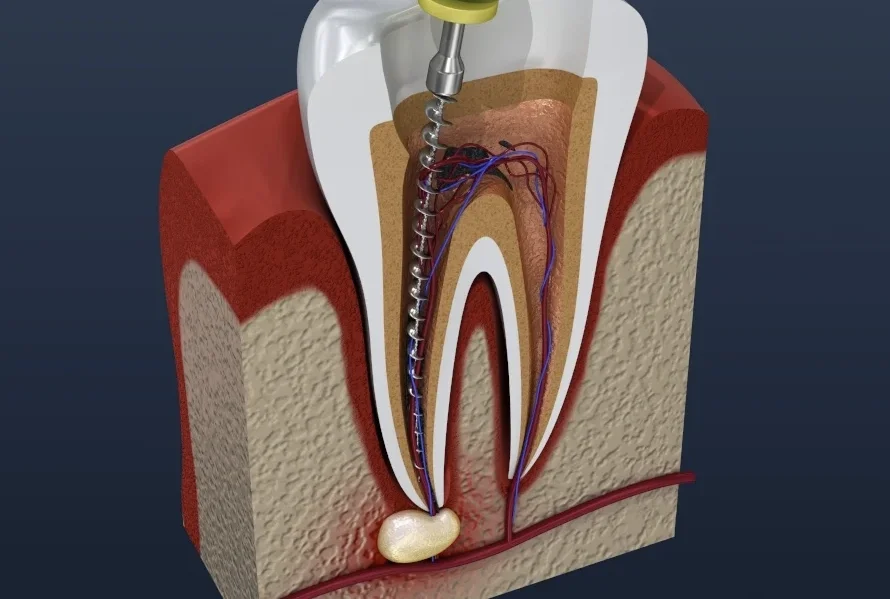
Root canal treatment may require more than one visit. First, an x-ray is taken to assess the root canals. Local anesthesia numbs the area for your comfort, and a rubber sheet is placed to keep the tooth dry.
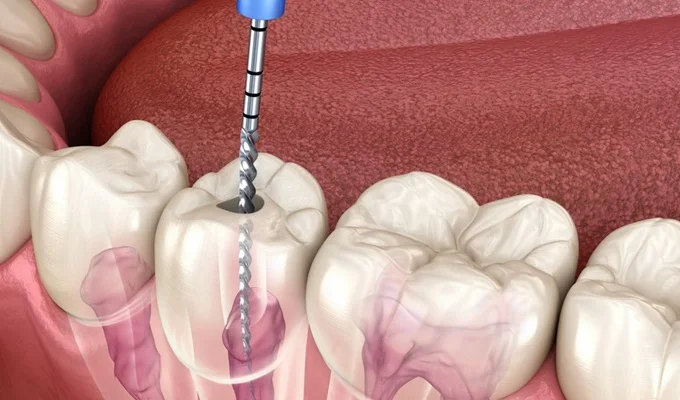
The dentist drills into the infected tooth to remove the pulp and clean the canal. Once cleaned, the tooth is sealed and restored with a crown or filling to reinforce it.
For more information, read our article on Root Canal Treatment Costs and Care on Antalya web site.
Symptoms to Determine If You Might Need Root Canal Treatment
- Severe toothache triggered by chewing
- Long periods of sensitivity when tooth is exposed to hot or cold temperatures
- Tooth appears darker in colour
- Tenderness and swelling in the gum and surround area of infected tooth
- Formation of persistent pimples in the gums
Root canal Treatment
We have expert dentists. Check out our reviews!
The best treatment to save your smile
To preserve your smile, it’s important to address an infected tooth promptly. Infection can occur due to trauma or decay, affecting the tooth’s nerve and pulp.
If untreated, it can lead to an abscess, causing severe jaw infections that may require a root canal. As the infection spreads, pus and debris can accumulate around the gum line and root canal. Early treatment can prevent further damage and save your tooth.
Following Root Canal Surgery
Root canal surgery, though it may sound daunting, is usually painless and can save your tooth, preserving your healthy smile.
For a flawless finish, veneers are an excellent, minimally invasive option. They effectively cover chips or stains, giving you a perfect, long-lasting smile.
Root Canal Treatment FAQs
What is root canal treatment?
A root canal is a dental procedure to treat infection or damage in the tooth’s pulp, which contains nerves and blood vessels. The infected tissue is removed, and the tooth is sealed to prevent further damage.
How painful is the root canal treatment?
Root canal treatment is generally not painful. Local anesthesia is used to numb the area, and most patients report feeling little to no discomfort during the procedure.
Why does the tooth pulp have to be removed?
An infected tooth will start to decay and the roots can become infected. If this happens, pus and other decayed debris may accumulate near the gum-line as well as between the root canal of a tooth’s narrow opening. The pain will normally alert you that there may be something wrong. Other symptoms can include swelling that can spread across the face and neck, as well as bone loss around the root tip.
What causes a tooth's nerve and pulp damage?
The tooth’s nerve and pulp and become infected due to various dental procedures or trauma to the face and teeth. If you don’t take action in treating the symptoms, this could lead to bigger problems such as an abscessed tooth and jaw bone infection.
How can I tell if I need root canal surgery?
Symptoms that you may require surgery include severe toothache when chewing. You might suffer prolonged sensitivity when teeth are exposed to hot and cold temperatures. The infected tooth may also appear a darker colour. You may also experience tenderness and swelling in the gum area surrounding the infected tooth.
What happens during the root canal procedure?
A root canal may require one or more visits to the dentist. An x-ray will be taken to see the shape of the root canals and determine if there are any signs of infection. Local anesthesia is used to numb the area surrounding the tooth and make the patient more comfortable. A sheet of rubber will be placed around the tooth (a rubber dam) to prevent the area becoming wet from saliva. A hole will then be drilled into the infected tooth.
The dentist will then remove the pulp along with bacteria, the decayed nerve tissue and any debris. Root canal files are then used to clean the canal. Water or sodium hypochlorite is used to flush away the debris. Once the tooth is thoroughly cleaned, it is sealed. There are a few different schools of thought about when to seal the tooth. Some dentists may choose to wait and seal your tooth in seven days if you have an infection, while others will do it on the same day as cleaning. If they haven’t completed root canal work during that appointment, then some temporary filling comes into play until next time around! The tooth is filled with a sealer paste and gutta percha rubber compound, which will help protect the area from future infection.
A filling to cover up any remaining hole in your teeth created at the beginning of treatment may also be placed before you leave. Finally it’s time for restoration; all that remains now are minor cosmetic changes like replacing what little was removed or having an artificial crown put on top of your natural one so as not to risk breakage later down the road when chewing becomes more vigorous again after healing has taken place.
What should I expect following a root canal procedure?
You may experienced heightened sensitivity for the first few days due to tissue inflammation. Most patients can return to life as normal the next day. You should avoid chewing on the tooth until a permanent filling or crown is fitted. This will help avoid further infections.
How successful are root canal procedures?
95% of cases will be successful and should last a lifetime.
Could there be complications after a root canal procedure?
On the odd occasion, minor complications can arise. This could result in having more than one hole or crack that wasn’t treated during the first procedure.
Complications can also arise when the restoration doesn’t seal the area completely, allowing bacteria to reinfect the tooth. If you suffer complications, another root canal can be performed again.
WHY CHOOSE DIAMOND DENTAL?
- Open 7 days a week, we work flexible hours to suit you
- Highly qualified and experienced patient-focued team with renowned dentists
- Free internet access
- Modern facilities/bespoke interior design
- Comfortable and spacious sitting area that will put you at ease, great place to relax before and after your Diamond Dental treatment
- Free parking
- Fully computerised record keeping and administration ensuring maximum efficiency with online booking, emailing and text messaging
- English/French/Russian/Arabic speaking staff with UK based office
- Non-judgmental diagnosis. Diamond Dental is not here to judge! all we want is to improve your oral health and smile 🙂